



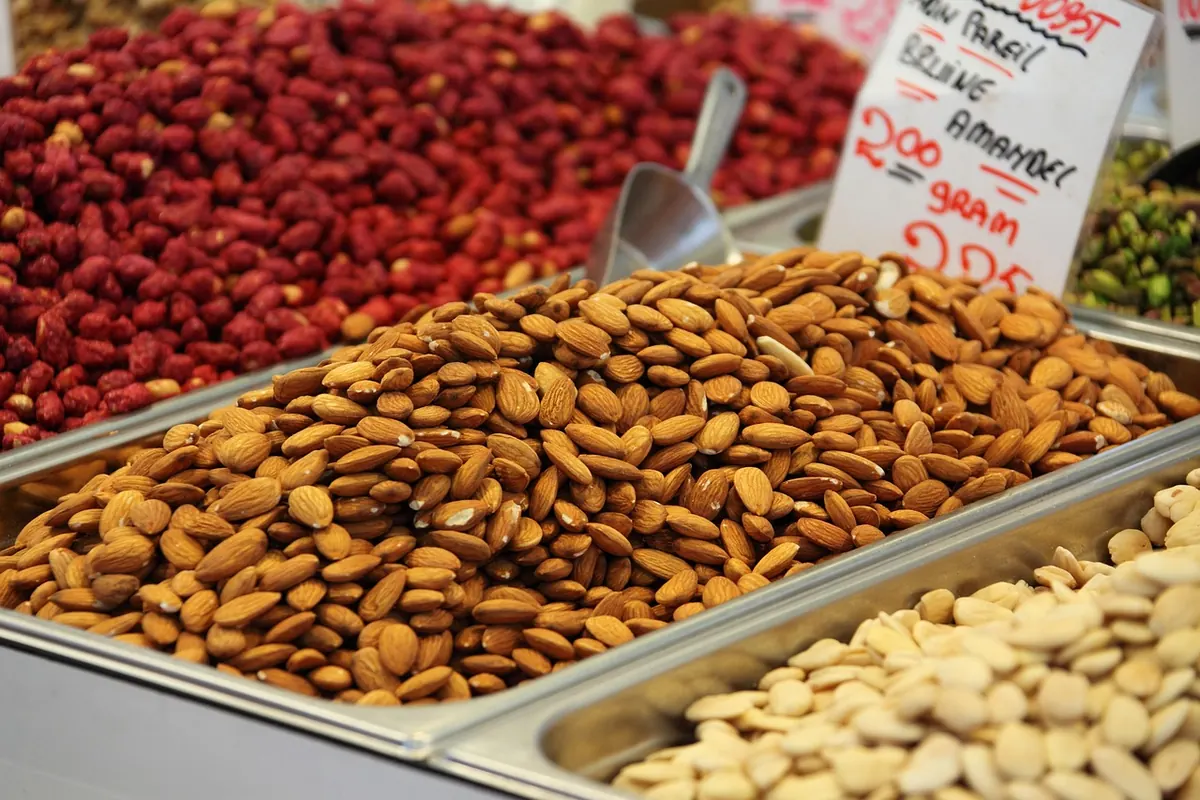
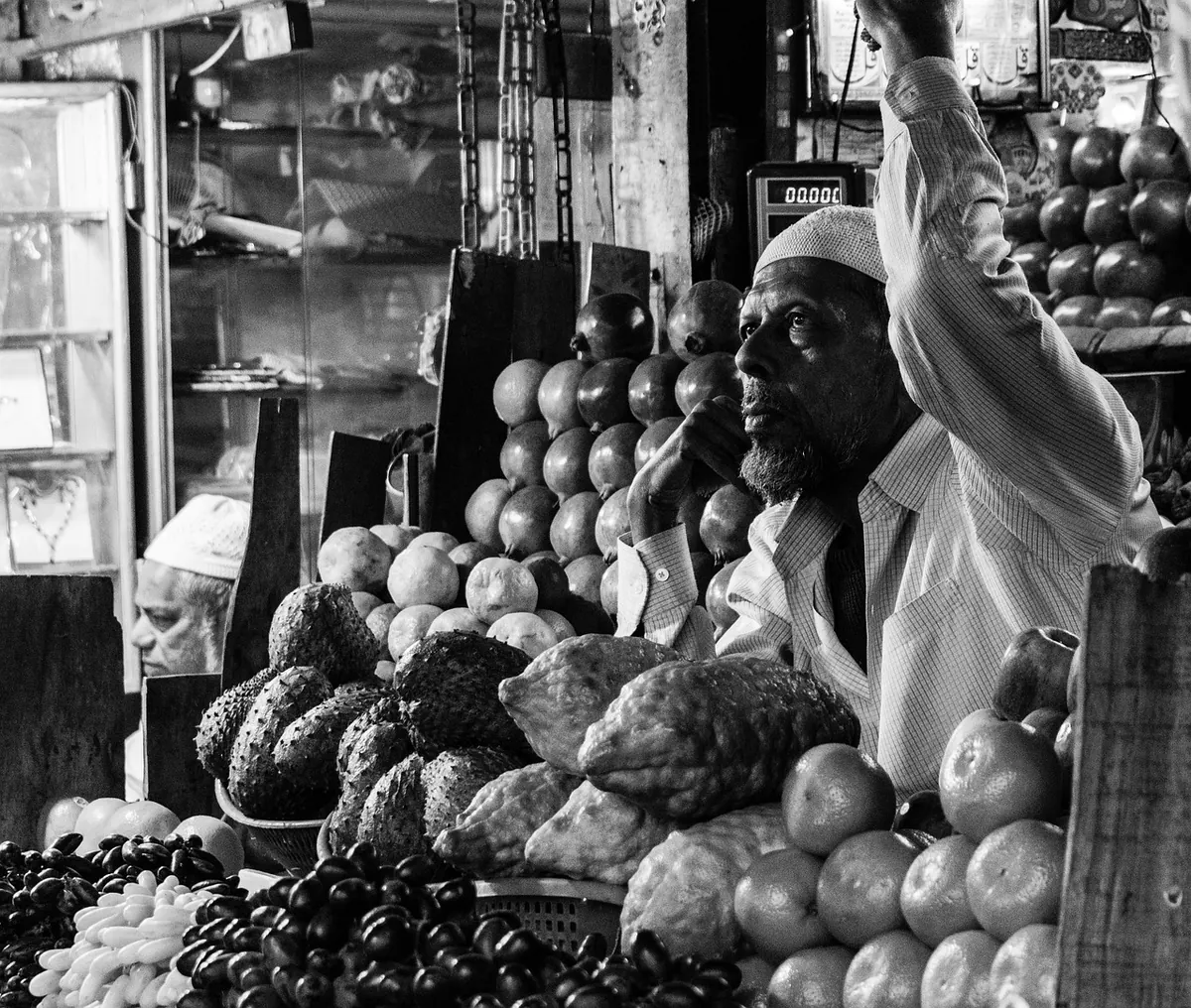
You get off the train in a town you've never visited, leave your bag at the hotel, and go looking for the market. The guidebook mentioned it. The photos showed striped awnings and hanging hams. Then you arrive, and it is either exactly right or quietly disappointing, and you can't immediately say why. A market can be beautiful and hollow, or scruffy and wonderful, and the difference almost never shows up in a photograph. What follows is the sequence of small observations worth making, in roughly this order, to decide within twenty minutes whether to plan a return visit or finish your coffee and move on.
Start With the Vendor Mix
The first question is not what's for sale but who is selling it. Walk the full length of the hall before you buy anything, and count. How many stalls belong to the people who grew, raised, caught, cured or baked what's on the table? How many are middlemen stacking the same wholesale crates you'd find in any supermarket?
Signs of a real producer
- Crates and boxes with the farm's own name handwritten or stencilled on them.
- Produce that varies in size, with dirt still on the roots and a few bruised pieces left in the pile.
- Visible gaps. A grower in June has no tomatoes worth selling, and doesn't pretend otherwise.
- One narrow specialism done properly: a stall with nothing but bitter greens, or only eggs, or only cured pork.
Perfect uniformity is the giveaway. If every stall sells the same twelve flawless items in identical plastic trays, you're in a reseller's hall with good lighting.
The second half of the vendor mix question is harder: is there anything here you genuinely cannot buy elsewhere? A market earns its place by being argumentative about geography — fish that came off a boat an hour away, cheese from the hills behind the town, a baker doing one loaf that no chain would bother with. If the answer is "nothing," it may still be a pleasant place to walk, but it isn't a market in the sense that matters.
Cleanliness, Judged Properly
Don't judge a market by its tiles. Worn stone, scratched wood and a century of handprints are fine; neglect is not. Look instead at the things that cost effort to maintain: the floor around the fish and meat counters, whether ice under a display is still ice or already water, whether crates sit off the ground, whether the shared bins are emptied before they overflow, whether the same hand takes your money and then reaches for the cheese.
The test is behavioural, not aesthetic. A vendor with a chipped counter who wipes it down between customers is running a cleaner stall than one with new stainless steel and a phone propped against the scales. Glance at the back of the stall, too — the part customers aren't meant to see. That's where standards live.
Reading Food Quality Without Tasting
You don't need expertise to judge most of what's on offer. You need two habits.
Ask a question you already half know the answer to. "What's good today?" and "When did this come in?" are enough. A real vendor answers specifically, points at something, tells you what to avoid, and often hands you a piece to try. A vague answer that circles back to the price is information too.
Watch what sells out and what sits. Turnover is the best freshness indicator there is. An empty tray at eleven in the morning and a hopeful heap of the same thing at two in the afternoon tell you most of what you need. The same goes for the queue: a line of people with shopping bags, lists and reusable containers is a different phenomenon from a line of people holding phones up to the counter.
Prices, Honestly
Markets are neither automatically cheap nor automatically expensive. Compare like with like: pick four or five things you buy every week — bread, eggs, a hard cheese, tomatoes, olive oil — and check them against what you normally pay. Expect some items to cost more and a few to cost noticeably less. What you're looking for is a sensible spread, not a bargain.
Three things to watch:
- Unit confusion. Per piece, per kilo, per bunch, per tray. Ask, and read the ticket twice.
- Tourist pricing. Stalls near the entrance in a heavily visited town often charge a premium the back of the hall does not.
- Markup on staples. If the onions and potatoes cost more than a specialist's cured meat, something is upside down.
A good market also carries a range: cheap everyday things alongside the expensive treat you buy once a month. Only luxury means it's a showcase. Only rock-bottom means it's wholesale overflow.
Atmosphere Is Evidence, Not Decoration
Atmosphere isn't bunting. It's the accumulated behaviour of people who use the place. Stand still for five minutes and listen. Are vendors greeting customers by name? Is there an argument about football, or the weather, or whose peaches are better? Does anyone behind a counter eat their own produce? Are there locals doing a full week's shop at ten on a Tuesday, or only visitors taking pictures of the displays?
Also check whether the market allows lingering. Somewhere to sit, a coffee counter, a bit of shade. A market with nowhere to stop and nothing to overhear is often a market designed for passing traffic rather than for the neighbourhood it stands in.
The Verdict Test
Before you leave, ask yourself two questions. Would you come back on a wet Tuesday, when there are no tourists and half the stalls are shut? And could you name three things you'd buy again, specifically — not "the produce," but the sheep's cheese from the stall with the blue crates, the sourdough, the olives?
If you can, you've found a market worth building a morning around. If you can't, enjoy the walk and keep the receipt.
Running the Checklist in Practice
Do it in one loop. Walk the perimeter first, then up and down the middle aisles, and don't buy anything until you've seen the whole place — the best stall is rarely the first one. Talk to two vendors. Buy one thing you can eat standing up. The whole assessment takes about twenty minutes.
- Vendor mix: producers versus resellers.
- Specialism: at least one thing you can't buy elsewhere.
- Cleanliness: floors, ice, bins, money handling, the back of the stall.
- Answers: specific responses to "what's good today?"
- Turnover: what has sold out by mid-morning.
- Price comparison: a short basket checked against your usual shop.
- Price range: cheap and expensive both on offer.
- Regulars: names, arguments, weekly shoppers.
- Lingering: somewhere to sit and a reason to stay ten minutes.
- The return test: three specific things you'd buy again.
Score nothing. Ten points isn't a grade — it's a way of paying attention. Most good markets fail one or two of these and are still worth the trip; a market that fails six is telling you something honest about itself. The point is simply to leave with a reason, rather than a vague impression and a bag of tomatoes you didn't need.
Photo: jozuadouglas / Pixabay