

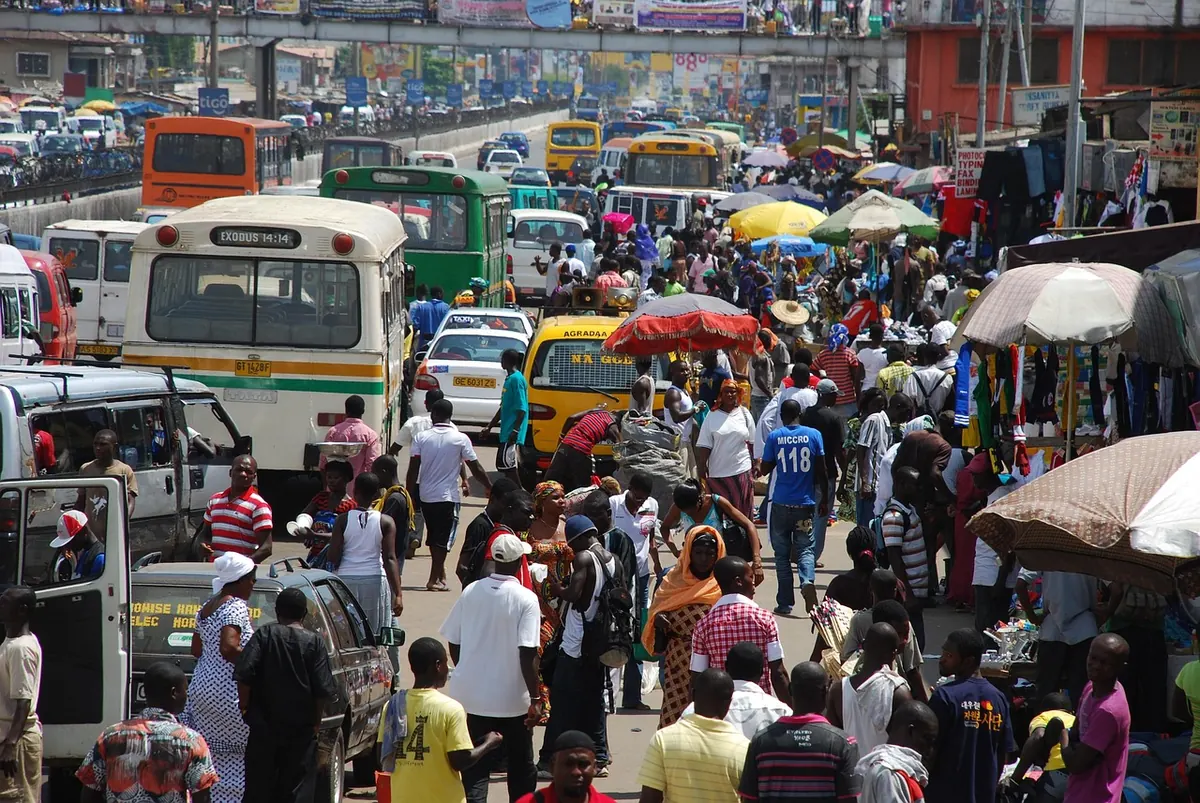
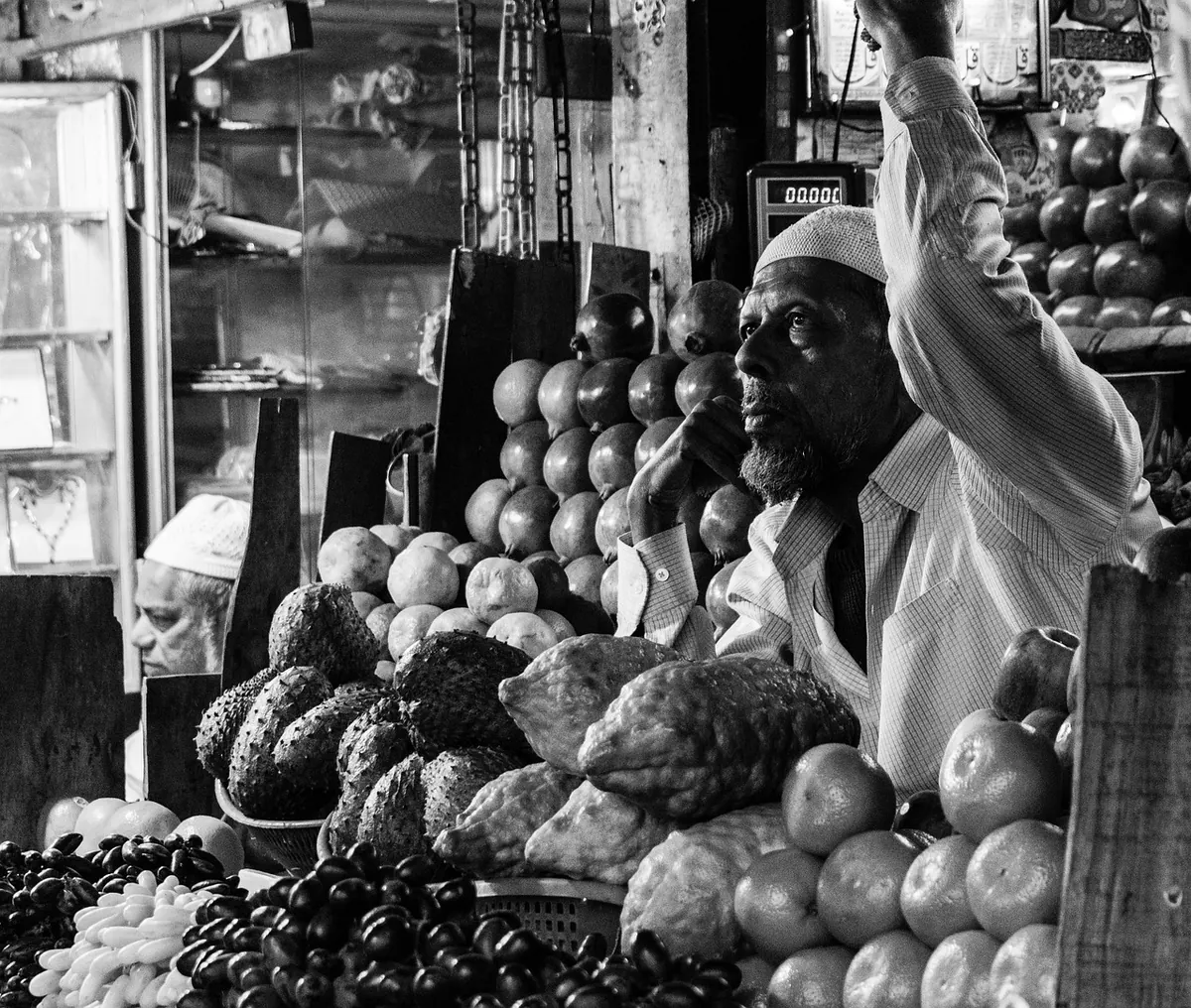
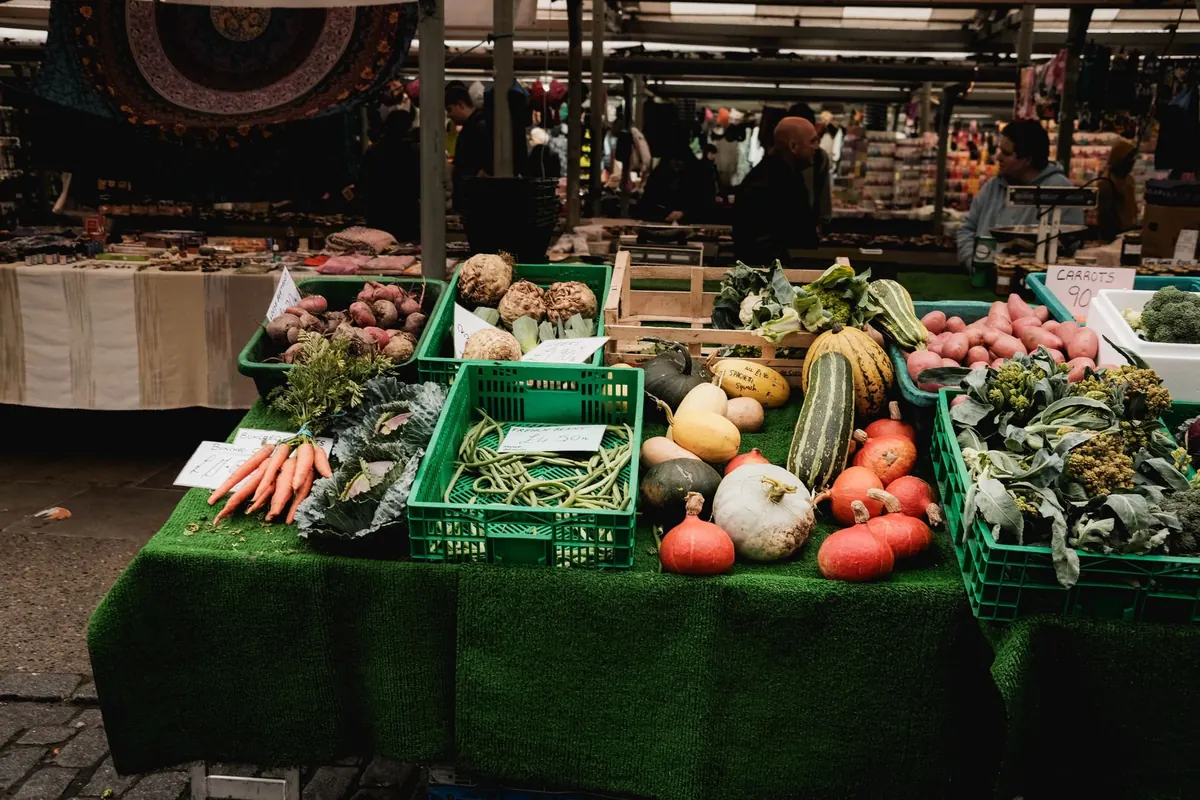
Watch a busy market street for twenty minutes and you can usually guess which stalls will still be busy at two o'clock. It is rarely about the produce. Two traders sell the same tomatoes, at the same price, from the same wholesaler, and one has a knot of people three deep while the other has someone leaning on the table checking their phone. The gap between them is almost always a set of small, unglamorous details that cost very little and take about half an hour to put right.
What follows is the checklist worth running through before every market day. Not theory — the things you notice when you are standing behind a table watching people decide whether to stop.
The Sign Has to Work Before You Say a Word
Most stall signs fail for the same reason: they are designed to be looked at from a metre away by someone who already knows what you sell. Your sign's first job is to catch a person walking past at speed, half-distracted, with a bag in each hand.
Put your stall name at the top in the largest letters you can justify, then a plain line underneath saying what you actually sell. "Marta's Kitchen" tells a stranger nothing. "Marta's Kitchen — fresh pasta, sauce, lasagne to take away" tells them whether to slow down. Witty names are fine as a second line. They are a poor substitute for the first.
- Stand ten paces away, in direct sun as well as in shade, and ask someone who has never seen the stall to read the sign back to you.
- Check the top edge: can you point to it without stretching? That is roughly where passing eyes are.
- If you write signs by hand, use a thick nib and leave generous space between letters. Thin marker on coloured card disappears at distance.
- Replace anything faded, curled or held on with tape that has gone brown. A tidy sign suggests a tidy stall.
Build the Table Up, Not Out
A standard trestle sits at about waist height, which means everything on it is viewed at a flat, unflattering angle. Your stock is competing with a hundred other flat tables. Give it some architecture.
Use crates, upturned boxes or a small folding step to create two or three levels: a low tier at knee to thigh height for bulk and backstock, a middle tier at waist height for the main offer, and a top tier at chest height for the things you most want seen. Nothing you actually want to sell should live below knee height, where people have to bend and where bags swing.
Two practical points. Keep the top tier light — heavy boxes overhead make people nervous and make the table unstable. And angle your crates slightly forward, a book or a block under the back edge, so customers see the face of the product rather than the top of it. A pyramid of tomatoes tipped towards the aisle sells better than the same tomatoes lying flat.
Two Colours, Repeated
Stalls that look thrown together usually have six or seven colours competing. Stalls that look intentional pick two and repeat them until the whole table reads as one thing: a deep green for the cloth and the sign, a warm cream for the labels, everything else neutral.
Contrast matters more than taste. Dark text on a light background, always, and test it in sunlight rather than under a gazebo roof. A chalkboard inside a shaded stall can look beautiful and be entirely unreadable from the aisle.
Colour is also a quiet labelling system. If every price label for the €3 items is cream and every €5 label is green, regulars learn your table without reading a word. Keep the same scheme week to week. People recognise the cloth before they recognise the name.
Samples Do the Selling, You Do the Explaining
A sample is not generosity, it is a shortcut. It answers the question the customer is too polite to ask, and it gives them a reason to stand at your table for fifteen seconds — which is roughly how long it takes to start a conversation.
Keep samples small and honest: a single bite, cut to a size that can be eaten in one go, in a shallow tray rather than a heap. Prepare a modest batch and top it up through the day; a plate that has been sitting open since seven in the morning does not say fresh. Have a small bin within reach, because people will look for one and then hand the napkin back to you.
If you sell food, check your market's rules on sampling before you set the tray out — covering, tongs and gloves are usually expected, and the rules vary by place.
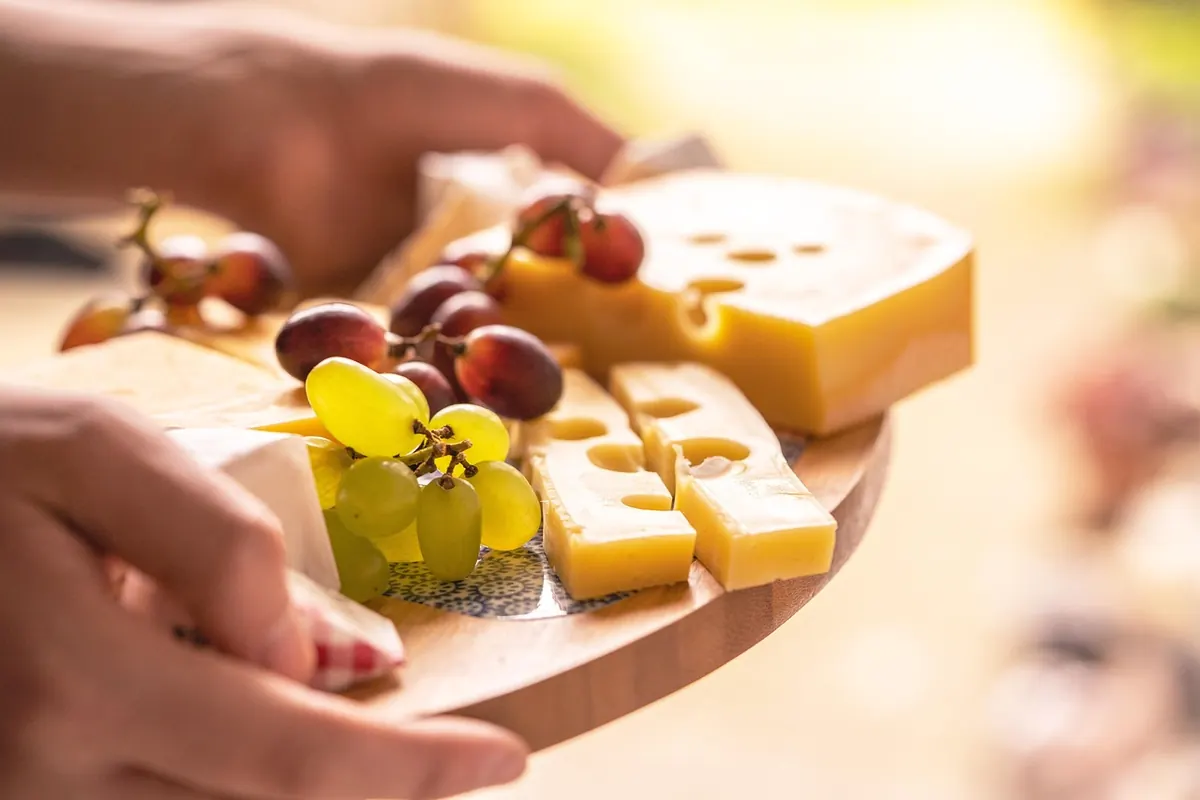
For non-food stalls, the same principle applies with a different word: a tester. One soap out of its wrapper, one ball of wool knitted into a swatch, one plant out of the tray so people can feel the leaves. Designate the tester clearly so customers do not open your sale stock to satisfy their curiosity.
Price Labels That Answer Before the Question
An unmarked item is a sale you probably will not get. Most people will not ask — they will hover, guess, decide it is probably too expensive, and move on. Price everything, even the obvious things.
Then make the label do its job properly:
- Put it where the hand goes. Front edge of the crate, angled up towards the customer, not in the middle of the display.
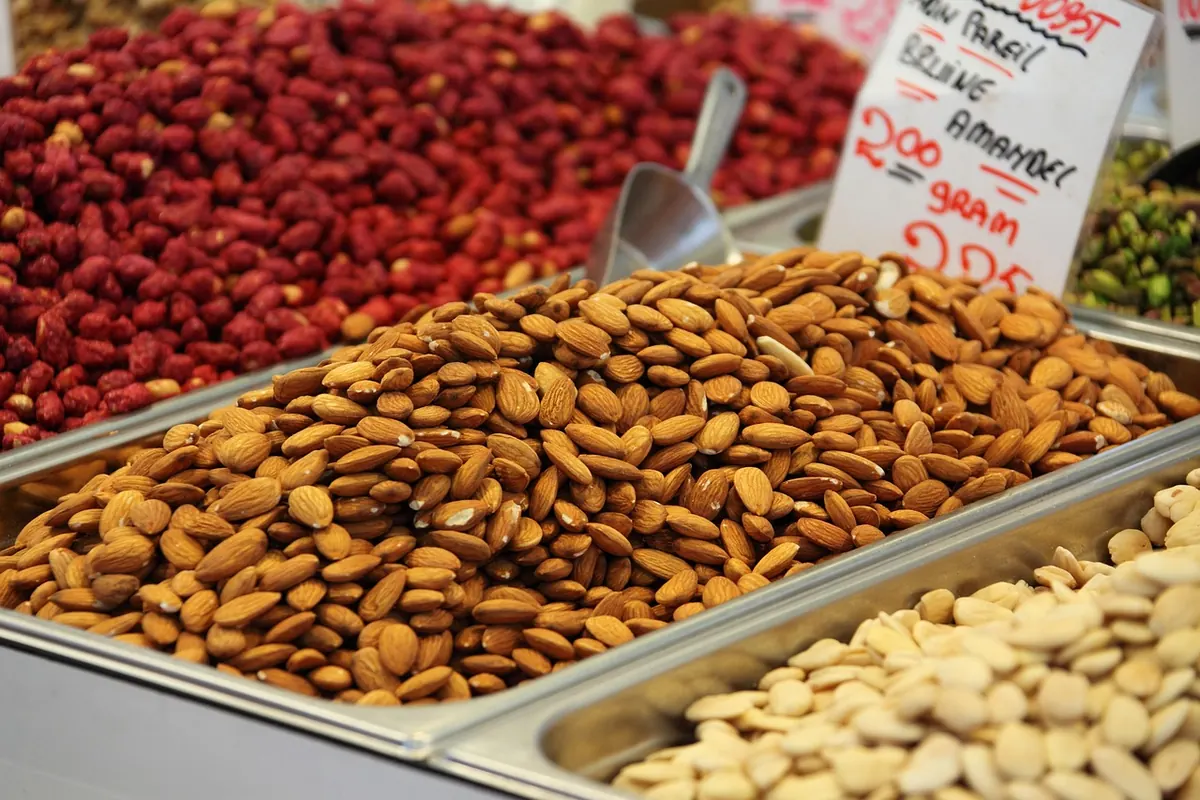
- Big number, small words. The figure should be legible from a step back; the description can be smaller.
- Be specific about the unit. Per kilo, per 100g, per bunch, per jar. This prevents the small humiliation of a customer discovering the price was for a quarter of what they assumed.
- Show single and bundle prices. "€4 each, 3 for €10" lifts the average basket without hiding the entry price.
- Group by price where you can. A €2 table and a €5 table cut the number of decisions a customer has to make.
Rewrite faded labels rather than squinting at them all day. If you use handwritten cards, one line per card and a thick marker — the same rule as the sign.
The Front of the Stall Is a Walkway, Not Storage
Queues form and break in ways you cannot control, but you can control whether your stall is in the way of itself. Two people stopping to pay should not block a third from browsing.
Clear the customer side completely. No spare boxes, no bin, no folding chair, no crate of backstock parked in the aisle. Leave a visible gap at one end of the table as an exit — people will use it, and it stops a browsing group from turning into a wall.
Keep a defined payment spot, ideally at one end rather than the centre, with about arm's length of clear counter. Bags opened and stacked within your reach, card reader and cash box in the same place every week so your hands know where to go without looking. If there are two of you, split the roles: one serving, one restocking and tidying behind. A stall where the front is being reset constantly looks calm, and calm stalls attract people who would otherwise walk past a scrum.
The Night Before, and the Last Five Minutes
None of these details survive a rushed morning. Do the cheap work in advance, then do one small thing at the end of the day.
- Write and check the sign, from ten paces, in daylight.
- Pack the crates and blocks you need for your three tiers.
- Print or write every price label, including the ones for items you "know" the price of.
- Prepare samples in a container you can cover, plus a small bin.
- Count your bags, your change and your pens.
Then, at close, spend five minutes noting what customers actually did. Which tier did they reach for? Which label did they keep asking about? Where did the queue snag? One written line is enough, and after a few markets you will have a short list of fixes that are specific to your stall rather than anyone else's. The twelve details above are a starting position, not a rulebook — the point is to keep looking at your table the way a stranger does.
Photo: Airam Dato-on / Pexels